Free Home delivery for all orders of 299 SAR
Free Home delivery for all orders of 299 SAR
Free Home delivery for all orders of 299 SAR
Free Home delivery for all orders of 299 SAR
Free Home delivery for all orders of 299 SAR
Free Home delivery for all orders of 299 SAR
Free Home delivery for all orders of 299 SAR
Free Home delivery for all orders of 299 SAR
Free Home delivery for all orders of 299 SAR
Free Home delivery for all orders of 299 SAR
Free Home delivery for all orders of 299 SAR
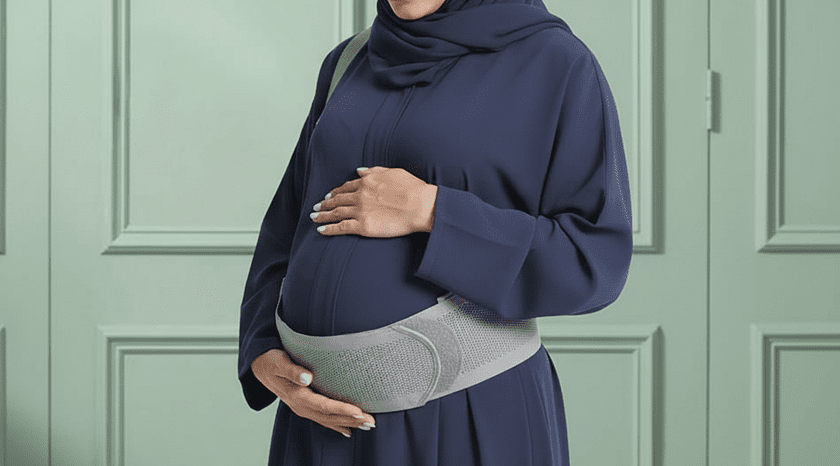
A pregnancy belt is considered one of the supportive medical tools that has revolutionized the concept of physical comfort for pregnant women, especially with the massive physiological changes the body undergoes. A pregnancy belt helps redistribute the weight of the fetus and alleviate pressure on the spine and pelvic joints, which are exposed to constant stress due to uterine growth and the forward shift of the center of gravity.
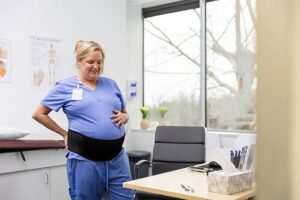
During the motherhood journey, which extends for nine months, the female body undergoes a series of profound structural modifications. The uterus begins to expand steadily, pushing the abdominal muscles (rectus abdominis) to stretch and separate, a condition known medically as diastasis recti. This weakness in the anterior abdominal wall causes the mechanical burden to fall entirely on the lower back muscles and lumbar vertebrae. This is where the extreme importance of the pregnancy belt emerges, as it acts as an external brace that compensates for the lack of natural muscular stability and provides physical support that reduces muscle tension and the resulting pain.
In addition to mechanical changes, hormonal shifts play a crucial role in body stability. The ovaries and placenta secrete the hormone “Relaxin” in high concentrations, whose primary mission is to loosen the ligaments in the pelvic area to facilitate childbirth and expand the pelvic canal. However, this relaxation causes a state of locomotor instability, leading to acute pain during walking or sudden movement. Using a pregnancy belt at this stage provides the necessary mechanical stability for these joints and protects them from overstretching, which could lead to long-term injuries.
When we look at the pregnancy belt from an engineering and physical perspective, we are talking about a tool designed to lift heavy loads intelligently. A pregnancy belt is usually placed directly under the curve of the abdomen, a strategic location that allows it to act as a lever that reduces the torque exerted on the lumbar vertebrae. By lifting the abdomen slightly upward and backward toward the spine, the pregnancy belt reduces “Gestational Lordosis,” which is the excessive inward curvature of the back that most pregnant women suffer from, causing symptoms similar to sciatica.
Furthermore, the pregnancy belt works by applying light and controlled pressure to the pelvic area, which helps reduce the micro-vibrations that occur in the ligaments during daily movement. This gentle pressure provided by the pregnancy belt also stimulates proprioceptors in the skin and muscles, improving the pregnant woman’s balance and increasing her awareness of her body posture, thereby reducing the chances of falling or tripping due to the sudden shift in her center of gravity.
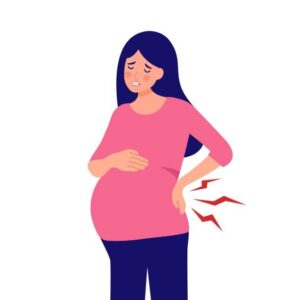
Control of Chronic Back Pain: The pregnancy belt acts as an external brace that supports exhausted muscles, reducing nocturnal back spasms resulting from daytime fatigue.
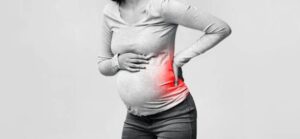
* Treatment of Pelvic Girdle Pain (PGP): A large percentage of women suffer from pain in the pubic symphysis, and the belt stabilizes this joint and prevents its painful movement that feels like tearing.
* Support for Physical Activity and Exercise: Practicing walking or yoga becomes safer with it, as it prevents the sudden stretching of the round ligaments that support the uterus and are affected by movement.
* Improving Blood Circulation in the Extremities: By lifting the uterus slightly, the belt reduces pressure on the large veins in the pelvis, which helps reduce foot swelling (edema).
* Relieving Pressure on the Bladder and Pelvic Floor: The constant weight of the fetus presses on the bladder and pelvic floor; the belt works to alleviate this weight, reducing the frequent urge to urinate and the feeling of heaviness/prolapse.
* Reducing Round Ligament Pain: These are pains that resemble sudden stabs in the sides of the abdomen; the balanced pressure from the belt helps soothe these ligaments exposed to constant stretching.
* Psychological Recovery and Confidence in Movement: The sense of physical security provided by it reduces anxiety associated with movement and increases the quality of the pregnant woman’s daily life and her ability to interact socially.
The shapes and designs of the pregnancy belt vary to suit the needs of every woman according to her body shape and pregnancy stage.
Is the “simple belly bands,” which are elastic fabric tubes that provide very light support and are often used to cover clothes that have become tight.
And the most common is the “flexible support belt,” which features adjustable straps behind the back and under the abdomen. This design of the pregnancy belt is ideal for most women suffering from moderate pain and daily fatigue.
Is the “full support systems,” consisting of a wide lower belt, an upper strap that passes over the top of the abdomen, and sometimes shoulder straps to distribute the weight across the entire back. This advanced design of the pregnancy belt is intended for severe cases, such as pregnancy with twins, severe weakness in the abdominal muscles, or those who have undergone previous spinal surgeries. When choosing a pregnancy belt, you must ensure the quality of the fabric is cotton-based and breathable to prevent heat accumulation that may lead to skin irritation.
Despite the amazing benefits, its use must be subject to strict medical guidelines to avoid any adverse effects. The golden rule is that the belt should not be worn all day without interruption. Over-reliance on it may lead to “laziness” in the natural abdominal and back muscles, as the muscles gradually stop working by depending on external support. Therefore, it is recommended to wear the belt for periods ranging between 2 to 3 hours during intense physical activity or walking, then removing it to give the muscles a chance to work and strengthen naturally.
Additionally, you must ensure the belt is not so tight that it obstructs blood circulation or presses on the uterus in a way that causes shortness of breath or indigestion. If you notice strong red marks or severe itching on your skin after removing the belt, this is an indication that it is too tight or that the material is not suitable for your skin. Furthermore, sleeping while wearing it is strictly prohibited because the body in a reclined position does not need support against gravity, and to allow blood and oxygen to flow freely to the fetus and the mother’s internal organs.
Working women especially benefit from the pregnancy belt. Doctors, nurses, teachers, and retail workers who spend long hours standing find the belt an effective way to continue performing their duties efficiently. Prolonged standing increases gravitational pressure on the pelvis and increases the strain on the supporting ligaments. Here, the pregnancy belt acts as a dynamic load distributor, reducing the forward swaying of the abdomen that occurs with every step, maintaining fluid balance in the body and reducing the exhausting leg pain at the end of the day.
In cases of twin pregnancies, the pressure on the abdominal wall and vertebrae doubles much faster compared to a singleton pregnancy. Here, the pregnancy belt does not become a secondary choice, but rather a primary medical recommendation to maintain the mother’s safety. The belt helps reduce the chances of umbilical hernias and contributes to maintaining fetal stability in comfortable positions. Additionally, a pregnancy belt specifically for twins often provides extra support to prevent excessive skin stretching and reduce the appearance of deep stretch marks resulting from the sudden and strong tightening of skin tissues.
To ensure the continued efficiency of the belt throughout the nine-month period, you must care for the elasticity of the fibers and the rubber materials composing it. Washing a pregnancy belt in an automatic washing machine may damage the “elastane” fibers due to rapid rotation, causing it to lose its support and required pressure capacity. The ideal way is hand washing with lukewarm water and a gentle detergent, then drying it in the shade away from direct sunlight or heat dryers that may melt the elastic threads inside the belt and make it unfit for medical use.
The belt helps maintain ligament strength and prevents excessive stretching and severe sagging, which facilitates the process of the abdomen returning to its natural state and the uterus shrinking after birth, but it remains only a helping factor alongside nutrition and exercise.
Some types of belts made from synthetic materials may cause irritation due to friction. The solution is to wear the pregnancy belt over a very thin cotton shirt to prevent direct contact with sensitive skin, especially in the summer.
As long as the belt is placed under the protrusion of the abdomen (in the area of least curvature) and not directly over it, it does not press on the fetus at all. The belt is designed to support the external abdominal wall and lift the weight off the pelvis.
You must stop and remove the belt immediately if you feel sudden and unusual abdominal pain, acute shortness of breath, or if you notice an increase in the intensity of contractions (false labor), and you should then consult your attending physician.
No, it is a supportive tool and a temporary brace to relieve pain. If the pain results from a herniated disc or structural problems, it alleviates the symptoms and improves movement, while physical therapy and specialized exercises treat the root of the problem.
A cosmetic corset aims to compress the waist inward forcefully for aesthetic purposes, which is very dangerous during pregnancy. As for a pregnancy belt, it has been engineered and medically designed to lift from the bottom up and support from the back, without forcibly changing the body shape or pressing on vital organs.
It is preferable to loosen the pressure of the belt or remove it when sitting for long periods, because sitting changes the angle of the belt’s pressure and may make it press on the stomach or obstruct deep breathing, causing a feeling of discomfort.
A pregnancy belt represents a smart investment in your physical health and psychological comfort throughout the nine-month journey. By choosing a high-quality type, using it with medical awareness, and following expert advice—you can also consult Ivita doctors and benefit from their expertise and tips—you can transform the pregnancy experience from a journey filled with physical aches into a pleasant and stable experience. This allows you to focus on building a strong emotional bond with your expected child without pain hindering you. To understand more about safe health and beauty products during pregnancy, you can read this article



 منتجات تقشير البشرة
 منتجات ترطيب البشرة
 غسول البشرة
 منتجات الحماية من الشمس
 منتجات تفتيح البشرة
 سيروم البشرة
 منتجات العناية بالبشرة الكورية
 ماسكات للبشرة
 منتجات طبيعية للعناية بالبشرة
 أدوات العناية بالبشرة
 فيتامينات للعناية بالبشرة
 Hair cream bath and masks
 Hair styling products
 Hair oils and serums
 Hair dyes
 Hair treatments
 Natural hair products
 Hair styling devices
 Hair care vitamins
 الشامبو
 صبغات الشعر
 معالجات الشعر
 منتجات طبيعية للشعر
 أجهزة تصفيف الشعر
 فيتامينات للعناية بالشعر
 مزيلات العرق
 العناية بالجسم والإستحمام
 منتجات العناية بالمرأه
 منتجات العناية بالرجل
 الصحة الجنسية
 العناية بالبشره للأطفال
 العناية بنظافة الأطفال
 عطور للاطفال
 عربيات الأطفال
 العاب الأطفال
 حماله الأطفال
 مقعد سيارة
 مشاية الأطفال
 هزازات الأطفال
 سرير الأطفال
 حليب للأطفال
 طعام للأطفال
 مستلزمات طعام الأطفال
 رضاعات
 لهايات
 عضاضات
 متطلبات الاطفال
 حفائض
حفائض
 مشاية الأطفال
 هزازات الأطفال
 سرير الأطفال
 لهايات
 عضاضات
 أحمر شفاه
 مكياج العيون
 مكياج الوجه
 أظافر و رموش تركيب
 عدسات لاصقه
 أدوات المكياج
 اكسسوارات
 عدسات لاصقه
 أدوات المكياج
 اكسسوارات
 معجون الأسنان
 فرش الأسنان
 أدوات تنظيف الأسنان
 عطور نسائية
 عطور رجال
 عطور للجنسين
 عطور شرقيه
 عطور فاخره
 عطور الشعر
 مجموعات للهدايا
 عطور مميزة
 مجموعات للهدايا