Free Home delivery for all orders of 299 SAR
Free Home delivery for all orders of 299 SAR
Free Home delivery for all orders of 299 SAR
Free Home delivery for all orders of 299 SAR
Free Home delivery for all orders of 299 SAR
Free Home delivery for all orders of 299 SAR
Free Home delivery for all orders of 299 SAR
Free Home delivery for all orders of 299 SAR
Free Home delivery for all orders of 299 SAR
Free Home delivery for all orders of 299 SAR
Free Home delivery for all orders of 299 SAR
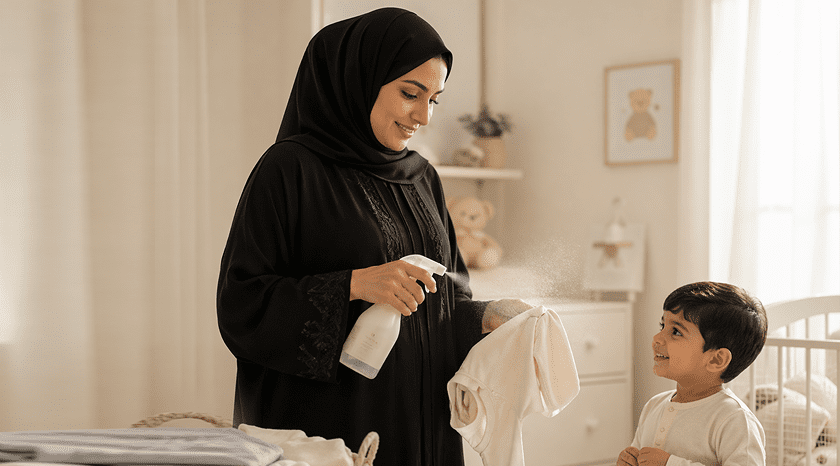
How safe is it to use baby fabric softener? Is it truly safe for your child? What are its safety requirements? And what specifications should you look for?
When your baby becomes part of your family, every small detail in their life takes special priority. From the diapers you choose to the shampoo you use, down to the baby fabric softener you put on their tiny clothes. Fabric softener may seem like a simple product, but choosing the right baby fabric softener can make a big difference in your baby’s health and comfort. In this comprehensive guide, we will discuss everything you need to know about fabric softeners for babies, how to choose the most suitable one, safe and harmful ingredients, and usage tips.
A newborn baby’s skin is very sensitive and five times thinner than adult skin. This sensitivity makes it more prone to irritation, rashes, and allergies. Regular fabric softeners we use for ourselves contain strong chemical ingredients that may be relatively safe for adults but can cause problems for young babies.
Using baby fabric softener specifically designed for them ensures:
Reduced risk of skin irritation and allergies.
Pleasant, light scent that does not harm infants’ respiratory systems.
Product free from harsh chemicals like phthalates and parabens.
Suitability for sensitive and eczema-prone skin.
When searching for baby fabric softener, you will find several types in the Saudi market:
This is the most common type. Added to the conditioner dispenser in the washing machine or diluted with water and added during the rinse cycle. Gives clothes a scent that lasts for several days.
Thin sheets placed with clothes in the dryer. Give a light scent and reduce static electricity. Easy to use but less effective at softening fabrics.
Added to the washing machine with the powder. Less common than other types.
A type designed for very sensitive skin, completely free from fragrances and chemicals (Fragrance-free).
When choosing baby fabric softener, look for these ingredients and specifications:
Ensure the product is labeled:
Phthalate-free
Paraben-free
Dye-free
Alcohol-free
Strong fragrances may cause headaches or respiratory irritation for the baby. Choose baby fabric softener with light natural fragrances or completely fragrance-free.
This term means the product is designed to reduce the risk of allergies, though it is not 100% guaranteed as every baby is different.
Some products carry a “Dermatologist-tested” or “Suitable for sensitive skin” seal.
In Saudi Arabia, look for products approved by the Saudi Food and Drug Authority.
To protect your baby from irritation and allergies, avoid baby fabric softener containing these ingredients:
Used to stabilize fragrances and make them last longer. Phthalates are linked to hormonal disruptions and may affect male reproductive development.
Preservatives that prevent bacterial and fungal growth in the product. Parabens may cause hormonal disruptions and skin allergies.
Alcohol causes skin dryness and removes natural oils from a baby’s skin, making it more prone to irritation and cracking.
Compounds used in fragrances that may cause skin and respiratory allergies in some babies.
Can be hidden under the word “Fragrance” or “Parfum” on the ingredient list. May contain hundreds of unlisted chemicals.
A common preservative that causes high rates of skin allergies, especially in babies.
If your baby is a newborn or suffers from sensitive skin or eczema, start with a completely fragrance-free baby fabric softener.
Looking for the word “Hypoallergenic” on the package may reduce the risk of irritation.
Before using any new softener on all your baby’s clothes, test it on a small piece of fabric and place it on your baby’s skin (like a sock) to monitor any reaction.
Reviews from other mothers are very helpful, especially if you are looking for baby fabric softener for a baby with allergies or eczema.
To reduce the amount of chemicals contacting your baby’s skin, use half the amount stated on the package.
Even with the best baby fabric softener, it may not suit your baby. Look for these signs:
Redness or rash after wearing washed clothes.
Persistent itching or skin scratching.
Severe dryness or skin peeling.
Sneezing, coughing, or nasal congestion when bringing clothes close to the baby’s face.
Unexplained crying after wearing clothes.
If any of these signs appear, stop using the product immediately and rewash your baby’s clothes without any softener.
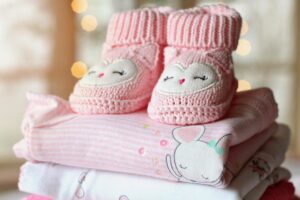
Using a large amount of baby fabric softener does not mean better or longer-lasting scent; it means more chemicals accumulating on your baby’s clothes. Stick to the recommended amount on the package or use half.
If the fabric softener is liquid, add it to the washing machine’s designated dispenser, not directly on clothes. If it is a rinse-added type, dilute it with water first.
Ensure the washing machine’s rinse cycle works completely to remove softener residue from fabrics.
Sunlight is a natural sanitizer and removes odors without needing strong softeners. If weather permits, dry your baby’s clothes outdoors.
New clothes may contain chemicals from the manufacturing process. Wash them first with gentle detergent, then add appropriate fabric softener.
If you prefer to avoid commercial products altogether, here are natural and safe alternatives:
Add half a cup of white vinegar to the rinse cycle. Vinegar removes odors, softens fabrics, and removes soap residue. Do not worry, the vinegar smell completely disappears after clothes dry.
Add half a cup of baking soda to the main wash cycle. It absorbs odors and gently cleans clothes.
If you want a pleasant scent, add 2-3 drops of pure essential oil (like lavender or tea tree oil) to a wool dryer ball or a clean cloth and place it in the dryer. Ensure the oil is safe for babies.
Natural wool balls placed in the dryer. They soften fabrics, reduce static electricity, and speed up drying time. You can add a few drops of essential oil to them if desired.
If you are breastfeeding your baby, note that a strong fabric softener scent may bother your baby. Newborns recognize their mothers by scent. If your scent is saturated with artificial fragrances, your baby may have difficulty recognizing you or associate breastfeeding with an uncomfortable smell.
Tip: During the first months, use a very light or completely fragrance-free baby fabric softener, and use light-scented personal care products as well.
Fabric softener is not necessary for a baby’s health. You can skip it entirely and use white vinegar or baking soda as natural alternatives. If you prefer to use it, choose safe types designed for babies.
Regular fabric softener is not recommended for babies, especially newborns, as it contains strong fragrances and chemicals that may irritate sensitive skin and the respiratory system.
Baby fabric softener is free from phthalates, parabens, and harsh chemicals, has a light scent or is fragrance-free, and is tested for sensitive skin.
Consult your pediatrician. In most cases, completely fragrance-free products are recommended for babies with eczema. Your doctor may recommend avoiding fabric softeners entirely.
Rewash the clothes without any softener, adding half a cup of white vinegar to the rinse cycle. Vinegar removes strong odors and product residues from fabrics.
You can buy baby fabric softener from major pharmacies, baby supply stores, or through OneCare, which provides authentic high-quality products with fast delivery across the Kingdom.
At OneCare, we recognize that caring for your baby starts with the smallest details, including choosing the right baby fabric softener. Therefore, we provide you with an integrated range of safe, high-quality products for your baby and family.
Safe baby fabric softener: Free from phthalates, parabens, and strong synthetic fragrances, suitable for sensitive skin.
High-quality baby diapers: Providing superior absorption and long-lasting comfort.
Baby 2-in-1 wash and shampoo: Gentle and safe formulas for your baby’s sensitive skin.
Diaper cream and moisturizing cream: Protecting your baby’s skin from rash and irritation.
Soft wet wipes: Free from alcohol and fragrances.
Mother care products: Shampoos, moisturizers, and nutritional supplements to support your postpartum health.
At OneCare, we believe that every mother deserves the best products to care for her baby. Therefore, we strive to provide authentic and safe products, with fast delivery across the Kingdom of Saudi Arabia. Whether you are looking for fabric softener, diapers, shampoo, or any other supplies, we are here to provide everything you need in one place.
Baby fabric softener may seem like a simple product, but choosing it carefully can protect your baby’s sensitive skin and respiratory system from irritating chemicals. Always look for products free from phthalates, parabens, and strong synthetic fragrances, and choose hypoallergenic, dermatologist-tested types.
Remember that the best for your baby is not always the most expensive, but the most suitable for their specific needs. If your baby has sensitive skin or eczema, start with a completely fragrance-free softener, or use natural alternatives like white vinegar.
With OneCare, you can rely on a trusted source that provides safe, high-quality products for your baby, from fabric softeners to diapers and shampoo, all in one place.



 منتجات تقشير البشرة
 منتجات ترطيب البشرة
 غسول البشرة
 منتجات الحماية من الشمس
 منتجات تفتيح البشرة
 سيروم البشرة
 منتجات العناية بالبشرة الكورية
 ماسكات للبشرة
 منتجات طبيعية للعناية بالبشرة
 أدوات العناية بالبشرة
 فيتامينات للعناية بالبشرة
 Hair cream bath and masks
 Hair styling products
 Hair oils and serums
 Hair dyes
 Hair treatments
 Natural hair products
 Hair styling devices
 Hair care vitamins
 الشامبو
 صبغات الشعر
 معالجات الشعر
 منتجات طبيعية للشعر
 أجهزة تصفيف الشعر
 فيتامينات للعناية بالشعر
 مزيلات العرق
 العناية بالجسم والإستحمام
 منتجات العناية بالمرأه
 منتجات العناية بالرجل
 الصحة الجنسية
 العناية بالبشره للأطفال
 العناية بنظافة الأطفال
 عطور للاطفال
 عربيات الأطفال
 العاب الأطفال
 حماله الأطفال
 مقعد سيارة
 مشاية الأطفال
 هزازات الأطفال
 سرير الأطفال
 حليب للأطفال
 طعام للأطفال
 مستلزمات طعام الأطفال
 رضاعات
 لهايات
 عضاضات
 متطلبات الاطفال
 حفائض
حفائض
 مشاية الأطفال
 هزازات الأطفال
 سرير الأطفال
 لهايات
 عضاضات
 أحمر شفاه
 مكياج العيون
 مكياج الوجه
 أظافر و رموش تركيب
 عدسات لاصقه
 أدوات المكياج
 اكسسوارات
 عدسات لاصقه
 أدوات المكياج
 اكسسوارات
 معجون الأسنان
 فرش الأسنان
 أدوات تنظيف الأسنان
 عطور نسائية
 عطور رجال
 عطور للجنسين
 عطور شرقيه
 عطور فاخره
 عطور الشعر
 مجموعات للهدايا
 عطور مميزة
 مجموعات للهدايا