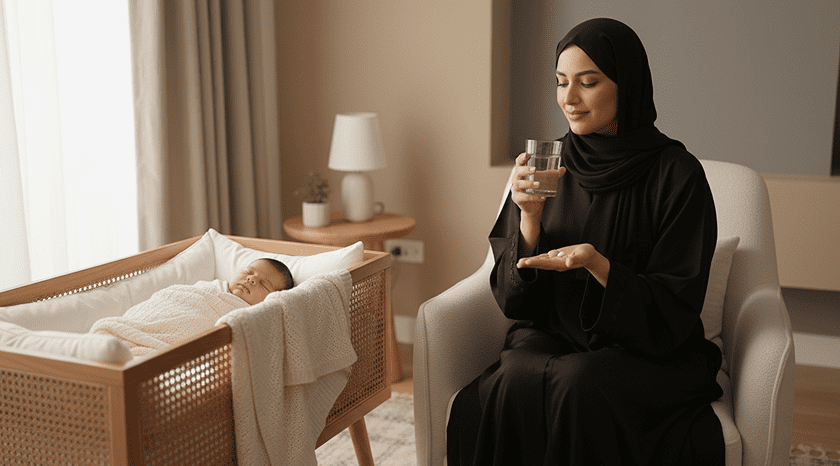
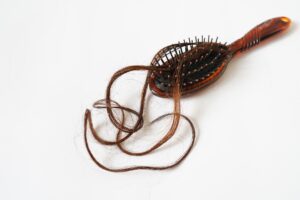
New mothers in the Kingdom of Saudi Arabia undergo significant physical and hormonal changes after childbirth. Many search for postpartum supplements that compensate for nutritional deficiencies and support new hair growth. Mothers biggest concern is often the excessive hair shedding that typically begins around the third month postpartum. In this article, we provide a comprehensive guide to understanding the causes of hair loss, the most important nutrients you need, and how to choose the right care routine.
Why Does Your Hair Fall Out After Childbirth? The Scientific Reasons

During pregnancy, estrogen levels rise, keeping hair in the growth phase longer than usual. This is why a pregnant woman’s hair appears thicker and shinier. But after childbirth, estrogen drops suddenly, causing a large number of hair follicles to enter the resting phase (telogen phase), and these hairs fall out all at once approximately 3 to 4 months after delivery.
This condition is medically known as “Telogen Effluvium,” a temporary and normal condition affecting more than 80% of new mothers. The good news is that this shedding is not permanent. With proper nutrition and appropriate supplements, hair returns to its natural density within 6 to 12 months.
Do You Really Need Postpartum Supplements?
The answer depends on your nutritional status and lifestyle. During breastfeeding, a significant portion of the nutrients you consume is transferred to your baby through breast milk. This means your body may need additional compensation to maintain your health and hair health.
Postpartum supplements are not a luxury; they can be necessary in the following cases:
-
If you suffer from severe fatigue and dizziness (signs of iron deficiency).
-
If hair shedding is so heavy that gaps appear on the scalp.
-
If you follow a vegetarian or restricted diet.
-
If you exclusively breastfeed for long periods.
The Most Important Nutrients That Postpartum Supplements Should Contain
When choosing postpartum supplements, look for a comprehensive formula containing the following elements, as they are the most important for hair and overall maternal health.
Iron
Iron is essential for transporting oxygen to hair follicles. Iron deficiency anemia is one of the hidden causes of severe postpartum hair loss, especially if delivery involved significant bleeding. Ensure the supplements you choose contain easily absorbable iron.
Zinc
Zinc helps build the keratin protein that makes up hair and regulates oil secretion in the scalp, preventing excessive dryness or greasiness. Zinc deficiency is directly linked to hair brittleness and weak growth.
Biotin (Vitamin B7)
Biotin is perhaps the most famous vitamin for hair and nails. It plays a role in the metabolism of fatty acids and proteins, strengthening hair follicles and improving texture. Most good postpartum supplements contain a good dose of biotin.
Vitamin D
Recent studies indicate a strong relationship between vitamin D deficiency and hair loss. In our community, vitamin D deficiency is very common due to insufficient and safe exposure to sunlight.
Collagen
Although not a vitamin or mineral, collagen has become present in many postpartum supplements. Collagen supports the elasticity of the skin and scalp and helps repair damaged tissues after childbirth.
When Should You Start Taking Supplements and When Should You Stop?
Experts recommend waiting until the first 4 to 6 weeks after childbirth to allow your body to recover naturally first. After that, if you notice increasing shedding, you can start taking appropriate postpartum supplements.
The ideal duration of use is 3 to 6 months, because the hair growth cycle needs this period to show visible results. If you stop supplements suddenly, shedding may return if your body still suffers from nutritional deficiencies.
An Integrated Hair Care Routine After Childbirth (Which Supplements Alone Won’t Provide)
Supplements alone do not work miracles. You need an external routine that cares for your scalp and hair. This is where supporting products come in.
Using Suitable Shampoo and Conditioner
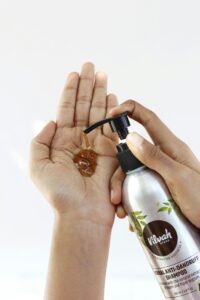
After childbirth, your scalp may become more sensitive, oily, or dry than before. Choose a gentle shampoo free from sulfates and parabens. Shampoos containing natural soothing ingredients like aloe vera or chamomile help reduce scalp irritation.
Creams and Keratin for Hydration and Protection
Dry hair is a common problem after childbirth due to hormonal changes. Using moisturizing creams and liquid keratin before styling protects against breakage and restores hair vitality. Look for products containing argan oil or shea butter.
The Importance of a Clean Scalp
A clean scalp free from accumulated oils allows hair follicles to absorb nutrients from supplements better. So do not neglect washing your hair regularly with a suitable shampoo.
Care Products You May Need Alongside Supplements
In addition to postpartum supplements, there are medical and cosmetic supplies that support your hair and skin health during this period:
-
Medical shampoo for sensitive scalp: Helps reduce itching and dandruff that may appear after childbirth.
-
Moisturizing body creams: After childbirth, you may suffer from dry skin, and using a cream rich in collagen or vitamin E improves skin elasticity.
-
Hair oil for strengthening ends: Apply a light oil such as jojoba oil or sweet almond oil to your hair ends daily to prevent breakage.
-
Creams for treating abdominal stretch marks: Alongside hair care, do not forget your skin. Using creams containing vitamin E and cocoa butter helps lighten stretch marks.
These products complement the role of nutritional supplements because hair and body care require an integrated approach from inside and out.
Common Mistakes When Taking Postpartum Supplements
1. Taking Random Doses Without Need
Not every body needs the same dose. Taking postpartum supplements without knowing your nutritional status may lead to side effects such as nausea or constipation (especially from iron) or acne breakouts (from high doses of biotin and zinc).
2. Relying Only on Supplements and Neglecting Food
Supplements are complementary, not a substitute for healthy food. Your body needs complete protein from eggs, meat, and legumes, and natural vitamins from vegetables and fruits.
3. Stopping Suddenly Once Hair Improves
Once you notice new hair growth, do not stop supplements suddenly. Start reducing the dose gradually or switch to a nutrient-rich diet to stabilize the results.
How to Choose the Right Postpartum Supplements for You?
When buying postpartum supplements from any pharmacy or website, follow these tips:
-
Read the ingredients carefully: Ensure the presence of iron, zinc, biotin, and vitamin D in the formula.
-
Avoid excessive doses of vitamin A: High doses of vitamin A can be toxic and harmful to the liver and also to hair.
-
Look for allergen-free products: Especially if you are breastfeeding, avoid artificial colors and strong preservatives.
-
Choose the right form for you: Some women prefer capsules, others prefer effervescent tablets or powder to add to juice.
Onecare Products Supporting You After Childbirth
If you are looking for a reliable source to obtain hair and skin care supplies after childbirth, Onecare provides a selected range of products that support your daily health.
At Onecare, we recognize that the postpartum period requires special care. Therefore, we provide you with:
-
Shampoos and hair creams from trusted brands suitable for your scalp after pregnancy, whether you suffer from dryness, dandruff, or temporary shedding.
-
Creams for skin hydration and treating dryness that new mothers may experience due to hormonal changes and fatigue.
-
Daily medical supplies such as high-quality baby diapers, to provide comfort for your baby and allow you to focus on your recovery and health.
-
A range of nutritional supplements that help fill the nutritional gap you may suffer from after childbirth, ensuring product quality and compliance with health standards.
At Onecare, we believe that maternal care begins with meeting basic needs with safe and effective products. Whether you are looking for a shampoo for your hair, a cream to hydrate your skin, or supplies for your baby, we strive to be your trusted choice.
Frequently Asked Questions About Postpartum Supplements
Can postpartum supplements be taken while breastfeeding?
Yes, most postpartum supplements specifically designed for the postpartum period are safe during breastfeeding, but always ensure to read the leaflet and confirm the product is free from high doses of vitamin A.
Are there side effects?
Some women experience mild nausea or constipation due to iron. This can be avoided by taking supplements with food, or choosing an easily absorbable form of iron (iron bisglycinate).
When will I see results on my hair?
You need at least 3 months of commitment to taking postpartum supplements to notice a clear difference in hair density and reduced shedding. Results vary from woman to woman depending on her health condition.
Are supplements alone enough to treat hair loss?
If the shedding is only due to childbirth (telogen effluvium), supplements alone may be sufficient. But if there is another cause such as a thyroid problem or severe anemia, you will need additional treatment. Consult your doctor if shedding lasts for more than a year.
Conclusion: Invest in Your Health to Come Back Stronger
Postpartum hair loss is a temporary and psychologically difficult experience, but it is not permanent. With patience, good nutrition, and taking the right postpartum supplements for your condition, you can restore your hair’s density and vitality. Do not forget to take care of yourself as you take care of your baby, because a strong and healthy mother is the foundation of a happy family.
If you need products to support your recovery journey, from shampoos and creams to supplements and daily medical supplies, you can rely on Onecare to provide everything you need in one place. Your health deserves attention.
 Free Home delivery for all orders of 299 SAR



 منتجات تقشير البشرة
 منتجات ترطيب البشرة
 غسول البشرة
 منتجات الحماية من الشمس
 منتجات تفتيح البشرة
 سيروم البشرة
 منتجات العناية بالبشرة الكورية
 ماسكات للبشرة
 منتجات طبيعية للعناية بالبشرة
 أدوات العناية بالبشرة
 فيتامينات للعناية بالبشرة
 Hair cream bath and masks
 Hair styling products
 Hair oils and serums
 Hair dyes
 Hair treatments
 Natural hair products
 Hair styling devices
 Hair care vitamins
 الشامبو
 صبغات الشعر
 معالجات الشعر
 منتجات طبيعية للشعر
 أجهزة تصفيف الشعر
 فيتامينات للعناية بالشعر
 مزيلات العرق
 العناية بالجسم والإستحمام
 منتجات العناية بالمرأه
 منتجات العناية بالرجل
 الصحة الجنسية
 العناية بالبشره للأطفال
 العناية بنظافة الأطفال
 عطور للاطفال
 عربيات الأطفال
 العاب الأطفال
 حماله الأطفال
 مقعد سيارة
 مشاية الأطفال
 هزازات الأطفال
 سرير الأطفال
 حليب للأطفال
 طعام للأطفال
 مستلزمات طعام الأطفال
 رضاعات
 لهايات
 عضاضات
 متطلبات الاطفال
 حفائض
حفائض
 مشاية الأطفال
 هزازات الأطفال
 سرير الأطفال
 لهايات
 عضاضات
 أحمر شفاه
 مكياج العيون
 مكياج الوجه
 أظافر و رموش تركيب
 عدسات لاصقه
 أدوات المكياج
 اكسسوارات
 عدسات لاصقه
 أدوات المكياج
 اكسسوارات
 معجون الأسنان
 فرش الأسنان
 أدوات تنظيف الأسنان
 عطور نسائية
 عطور رجال
 عطور للجنسين
 عطور شرقيه
 عطور فاخره
 عطور الشعر
 مجموعات للهدايا
 عطور مميزة
 مجموعات للهدايا