Free Home delivery for all orders of 299 SAR
Free Home delivery for all orders of 299 SAR
Free Home delivery for all orders of 299 SAR
Free Home delivery for all orders of 299 SAR
Free Home delivery for all orders of 299 SAR
Free Home delivery for all orders of 299 SAR
Free Home delivery for all orders of 299 SAR
Free Home delivery for all orders of 299 SAR
Free Home delivery for all orders of 299 SAR
Free Home delivery for all orders of 299 SAR
Free Home delivery for all orders of 299 SAR
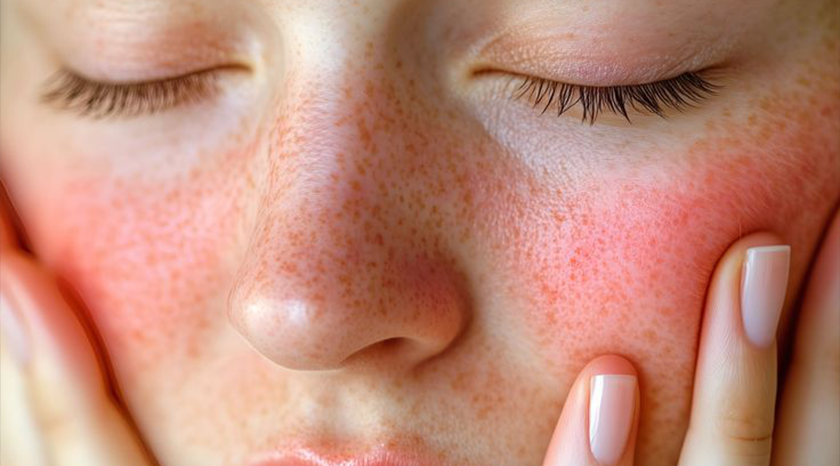
In a world where pollution is increasing and skincare products are diversifying, sensitive skin and the best products for sensitive skin has become a challenge faced by many, especially in hot and dry climates like that of the Kingdom of Saudi Arabia. Skin sensitivity varies from person to person and may manifest as redness, itching, dryness, or irritation when using unsuitable products. This informative article aims to provide a comprehensive and detailed guide on the best daily practices and the best products for sensitive skin, offering practical advice tailored to the needs of the audience in Saudi Arabia, helping them achieve healthy, balanced skin without distress.
Before delving into the details of products for sensitive skin, it is first important to understand what sensitive skin truly means. Sensitive skin has a low threshold for reacting to external and internal factors. It may overreact to topical products, climate changes, psychological stress, or even certain foods. In Saudi Arabia, this condition is often exacerbated by unique environmental factors, making choosing suitable products for sensitive skin a necessity, not a luxury.
The causes of skin sensitivity are numerous and can be divided into internal and external factors:
Internal Factors:
Genetics: Play a major role in determining your skin type and its degree of sensitivity. If a parent has sensitive skin or conditions like eczema, there is a high likelihood of inheriting these traits.
Hormonal Changes: Such as those occurring during the menstrual cycle, pregnancy, or menopause. These fluctuations affect the production of natural oils and the strength of the skin barrier.
Certain Health Conditions: Like eczema, rosacea, or contact dermatitis. These conditions leave the skin in a state of inflammation, primed to react to the simplest triggers.
External Factors:
Cosmetic and Skincare Products: Containing fragrances, alcohol, strong preservatives, or harsh cleansing agents. This is the main reason why searching for safe products for sensitive skin is crucial.
Environmental Factors: Such as excessive exposure to UV rays, dust-laden winds, dryness, or air pollution.
Climate: The climate of Saudi Arabia, with its high temperatures, dryness, and fluctuations between intense daytime heat and nighttime coolness in some regions, is a common triggering factor for skin sensitivity and irritation.
Understanding these causes is the first step towards choosing suitable products for sensitive skin and adjusting the daily routine for optimal results. It requires self-awareness to notice what specifically irritates your skin.
Caring for sensitive skin goes beyond just choosing suitable products for sensitive skin. It is an integrated system that starts with daily habits and ends with the products used. Following a gentle and consistent routine is key to controlling sensitivity and preventing irritation. Daily commitment is what builds a strong skin barrier over time.
Cleansing is the cornerstone of any skincare routine, especially for sensitive skin. Harsh cleansing or using abrasive scrubs can damage the skin’s protective barrier (the stratum corneum) and worsen sensitivity, making the skin more vulnerable to bacteria and pollution. The goal is to remove dirt and excess oil without stripping the skin of its natural protective oils.
Tips for Safe Cleansing:
Use lukewarm water instead of hot water, as hot water can strip the skin of its natural oils and irritate superficial blood vessels, leading to redness.
Choose a gentle, soap-free cleanser (labeled as “soap-free” or “free of harsh sulfates”). Look for a cleanser with a creamy or gentle gel base.
Avoid cleansers with excessive foam, as they often contain strong cleansing agents like Sodium Laureth Sulfate that can cause dryness.
Gently pat the skin dry with a soft, clean towel instead of rubbing, as rubbing causes mechanical friction that leads to irritation.
For women, removing waterproof makeup may require a double-cleansing step: start with a gentle oil or balm to dissolve makeup, followed by your gentle cleanser.
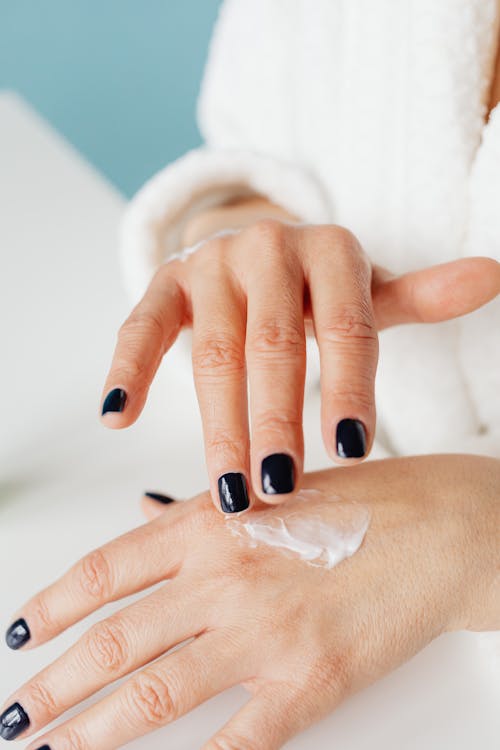
Sensitive skin often suffers from a weak skin barrier, making it lose moisture quickly and become more susceptible to irritants. Therefore, moisturizing is not a luxury, but a necessity. Moisturizer acts as an insulating layer that protects the skin from external factors and helps repair the protective barrier. In a dry climate like Saudi Arabia’s, the skin loses its moisture faster, making the moisturizing step vital.
How to Choose the Ideal Moisturizer for Sensitive Skin:
Look for moisturizers containing barrier-strengthening ingredients like ceramides, niacinamide, or essential fatty acids. These ingredients work like “bricks and mortar” to repair the skin’s natural protective wall.
Avoid heavy moisturizers that clog pores in hot climates. Choose a light, fast-absorbing texture like a gel or emulsion.
Always apply moisturizer on slightly damp skin (immediately after cleansing) to trap the maximum amount of water in the skin.
Look for moisturizers containing soothing ingredients like aloe vera, colloidal oatmeal, or licorice to combat redness and irritation while moisturizing.
The skincare market is full of options, which can make the selection process confusing. When searching for products for sensitive skin, there are specific criteria to consider to ensure the product’s safety and effectiveness. Don’t rely solely on advertisements; learn to read labels and understand ingredient lists.
Ingredients are the language that products for sensitive skin speak. Learning to read the ingredient list (which is always listed in descending order of concentration) can save you a lot of painful trials and wasted money.
Skin-Friendly Ingredients for Sensitive Skin:
Natural Soothers and Anti-Inflammatories:
Aloe Vera: Known for its soothing and moisturizing properties, it helps reduce redness and irritation.
Colloidal Oatmeal: One of the oldest remedies for irritated skin, it forms a protective barrier and provides instant relief.
Licorice Root Extract: Contains an active compound called “glabridin” that reduces redness and inflammation.
Niacinamide (Vitamin B3): Not only soothes but also strengthens the skin barrier and regulates oil production, making it ideal for all types of sensitive skin.
Effective Humectants that Attract and Trap Water:
Hyaluronic Acid: Attracts up to 1000 times its weight in water, hydrating deeply without leaving a greasy feel.
Glycerin: An excellent and safe humectant that draws moisture from the environment into your skin.
Squalane (plant-derived): Similar to the skin’s natural oils, making it easily absorbed and enhancing softness without clogging pores.
Skin Barrier Strengtheners (The Most Important Ingredients for Long-Term Care):
Ceramides: Natural fats that make up more than 50% of the protective barrier. Using products for sensitive skin containing ceramides helps rebuild this barrier from the ground up.
Cholesterol and Fatty Acids: Work with ceramides to fully restore the barrier function.
Some ingredients, despite being common, are known irritants for sensitive skin. Their presence in products for sensitive skin can turn them into the cause of the problem rather than the solution.
List of Ingredients to Avoid in Products for Sensitive Skin:
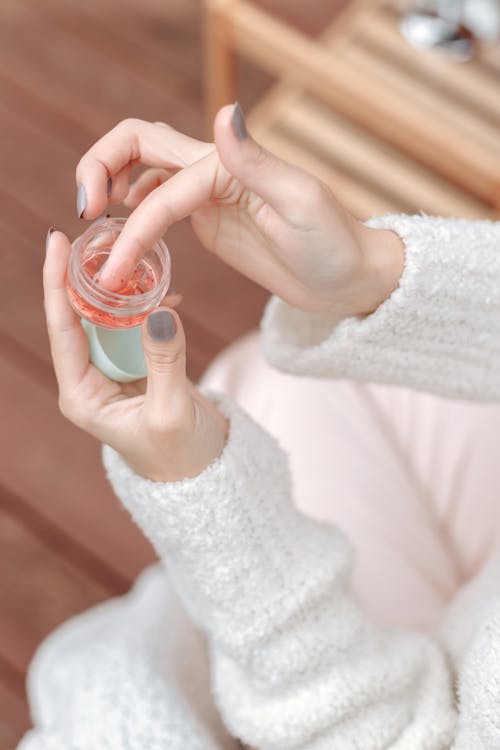
Synthetic and Fragrance Oils: Whether listed as “fragrance” or “parfum” in the ingredient list. These are among the most common causes of irritation and inflammation. Even concentrated natural fragrances (like undiluted essential oils) may cause irritation.
Drying Alcohols: Such as isopropyl alcohol, ethanol, and SD alcohol. They severely dry out the skin and weaken its barrier. (Note: Some fatty alcohols like cetyl alcohol or stearyl alcohol are acceptable and safe).
Harsh Cleansing Agents (Sulfates): Like Sodium Laureth Sulfate (SLES) and Sodium Lauryl Sulfate (SLS) in some foaming cleansers. They can strip natural oils and cause severe dryness.
Some Preservatives: Like Methylisothiazolinone (MIT) or Parabens (e.g., propylparaben, butylparaben) in some people allergic to them.
Some Types of Unrefined Mineral Oils: May clog pores in sensitive, acne-prone skin.
Coarse Physical Scrubs: Like apricot kernels or coarse sugar, which can cause microscopic tears in sensitive skin.
Building a simple and consistent routine is the best way to soothe and manage sensitive skin in the long term. Commitment is key. Do not try to introduce several new products for sensitive skin at once; try one new product every two weeks to monitor your skin’s reaction.
The goal of the morning routine is to cleanse overnight residue, moisturize the skin, and most importantly, protect against environmental factors throughout the day.
Gentle Cleansing: Use a gentle cleanser or just water if your skin is very dry in the morning. No need for harsh cleansing in the morning.
Toner (Optional, but beneficial): If you choose to use a toner, make sure it is alcohol-free and rich in soothing ingredients (like real rose water, oat extract, or niacinamide). Avoid astringent toners.
Antioxidant Serum (For Daytime Protection): Like a stable Vitamin C serum (for skin that tolerates it) or a Niacinamide serum. Helps protect the skin from free radical damage caused by pollution and sunlight, and strengthens the skin barrier.
Light Moisturizer: Apply a light-textured moisturizer suitable for daytime under makeup. Look for products containing non-comedogenic hydrating ingredients.
Sunscreen: This is the single most important step in the Saudi climate. Choose a mineral (physical) sunscreen based on zinc oxide or titanium dioxide, as it is less likely to cause irritation than chemical sunscreens. Ensure the sunscreen is “broad-spectrum” (protects against UVA and UVB) and has a Sun Protection Factor (SPF) of at least 30, preferably 50. Suitable sunscreen is the best protective product for sensitive skin you can use daily.
The goal of the evening routine is to remove all traces of the day (makeup, sunscreen, pollution, sweat), and give the skin time to repair itself during sleep.
Makeup Removal and Double Cleansing: Start with a gentle, fragrance-free oil or balm to dissolve makeup, sunscreen, and oily impurities. Then use your gentle water-based cleanser to remove all traces. This method ensures deep cleansing without harshness.
Targeted Treatments (In Moderation): (Only 2-3 times a week) You can use a gentle chemical exfoliant like lactic acid or PHA (polyhydroxy acids). These types are gentler than other AHA exfoliants. Avoid physical scrubs entirely. You can also use a soothing mask once a week.
Concentrated Repair Serum (Optional): Like a serum containing peptides or ceramides to boost cell repair during sleep.
Rich Night Cream/Moisturizer: Use a richer moisturizer or one containing reparative ingredients like ceramides, peptides, or nourishing plant oils (like grapeseed or jojoba oil). This moisturizer works overnight to deeply repair and hydrate the skin.

The hot, dry desert climate of Saudi Arabia, sometimes accompanied by dust storms, requires adapting the skincare routine to face additional challenges not encountered by skin in other climates. Therefore, the chosen products for sensitive skin must be able to withstand these harsh conditions.
The Saudi climate rapidly depletes skin moisture, increasing its sensitivity and the likelihood of a compromised skin barrier.
Hydration from Within and Without: Drink plenty of water and hydrating fluids throughout the day to compensate for fluids lost through sweating. This is an essential complement to any topical moisturizing products for sensitive skin.
Using Hydrating Mists (Sprays): Keep a mist (like thermal water or distilled water with a drop of glycerin) in your bag or car. Spritz your face during the day for instant hydration and cooling, especially after exposure to dry air conditioning.
Home Humidifier: Consider using a humidifier in your bedroom, especially when running the AC for long periods, to help maintain air and skin moisture.
Fine dust can adhere to the skin and mix with oils and sweat, clogging pores and irritating sensitive skin.
Immediate Cleansing Upon Returning Home: After exposure to outdoor air on a dusty day, wash your face immediately with a gentle cleanser to remove trapped dust particles.
Mechanical Protection: Do not hesitate to use clean shawls or scarves to protect your face from direct dust when going out, while emphasizing the importance of applying sunscreen underneath.
Cleaning Your Mobile Phone and Pillowcases: These are among the surfaces most in contact with your skin. Clean them regularly to prevent transferring dust and microbes.
During these periods, the skin is subjected to additional stress due to crowding, long periods outdoors, prolonged sun exposure, and frequent use of water and wipes.
Simplify the Routine to the Maximum: Let the routine be limited to: gentle cleansing, moisturizer, and strong, water-resistant sunscreen. Avoid any active treatments (scrubs, strong acids).
Using Facial Wipes Designed for the Face: Keep gentle wipes free of alcohol and fragrances for quick cleansing when water is unavailable.
Persistent Sunscreen Reapplication: At least every two hours if you are outdoors in the sun, and after heavy sweating or using wipes.
Choose Locally Available, Reputable Brands: Look for brands found in major pharmacies or trusted skincare stores in the Kingdom, as their products are subject to good oversight.
Patch Test the Product Before Purchase: If possible, request a sample or apply a small amount of the product on a small area behind the ear or on the inner arm, and wait 24-48 hours to monitor for any allergic reaction.
Be Patient: Improving sensitive skin takes time. Do not expect overnight results. Committing to a gentle, consistent routine with suitable products for sensitive skin is a long-term investment in your skin’s health.
Consult a Dermatologist if in Doubt: If your skin sensitivity is severe, or if it does not improve with home care, you may have a skin condition that needs professional medical diagnosis and treatment. Look for a dermatologist in your city.
Caring for sensitive skin is not a complicated journey if done with awareness and knowledge. The fundamental principle is gentleness and simplification. Instead of trying dozens of different products for sensitive skin, focus on choosing high-quality basic products that follow the standards we mentioned, and commit to a consistent daily routine.
Always listen to what your skin tells you; it is your best guide. Ultimately, the goal is to achieve a healthy balance for your skin that allows it to look and feel its best, even under difficult climatic conditions like those we live in in the Kingdom of Saudi Arabia. Start your first step today towards a more comfortable and confident life with your sensitive skin, by understanding it and choosing products for sensitive skin that respect and support it.